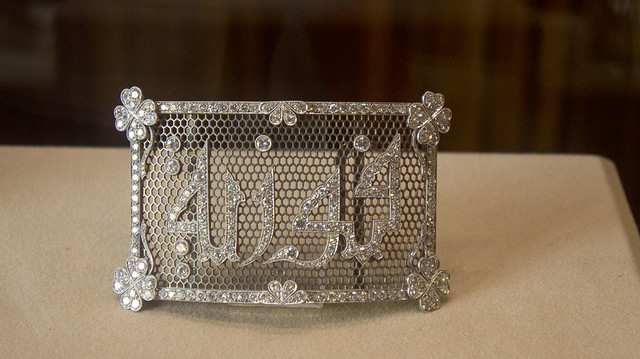
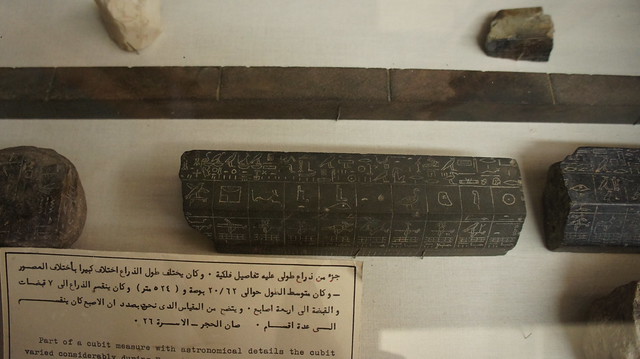
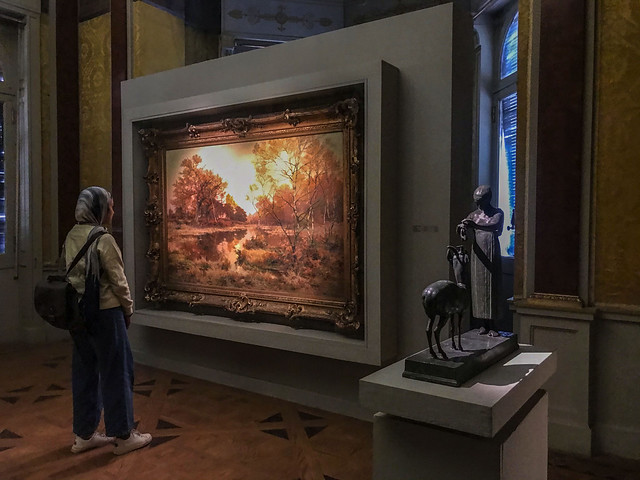
It was like a perfect cinematic moment that Saturday afternoon. Just two days before the 50th anniversary of Umm Kulthum’s passing, you step out of her small yet rich museum in Cairo, still enveloped in the aura of her larger-than-life presence.
Outside, by the Nile, an old yet elegant man sits alone, detached from the world around him. From the small speakers of his mobile phone drifts the voice of Umm Kulthum, chanting "Lailat Hob"—her last recorded love song. He gazes into the river, lost in a trance, as though the currents carry the echoes of his own memories, entwined with the Lady’s immortal voice.
It was a perfect Egyptian scene. I wanted to capture it, to ask him what Umm Kulthum meant to him. But I did not dare, unwilling to be the one to pull him back to reality.
That scene summarizes a lot about Umm Kulthum and Egyptians if not Arabs.
 |
| Umm Kulthum's statue outside her museum in Al-Manial island |
On Monday Egypt remembered that 50 years ago it woke up to find its “Planet of East” Umm Kulthum passed away after having
Umm Kulthum died on the same day the music died in the US. She died but her legacy and art still stand as the true fourth pyramid in Egypt.
According to historians and those who witnessed the day, her funeral was a popular one to the level that people compared to the funeral of the second president of Egypt and her lifelong fan Gamal Abdel Nasser.

Yes, Umm Kulthum Ibrahim, the singer who came from rural Nile Delta’s Tamay e-Zahayra village had the biggest public funeral of a woman in Egypt in the modern age if not in the nation’s long recorded history.
I can’t speak about Umm Kulthum or Thuma or the Dame “as we nickname her in Egypt for decades” easily thus I would focus on her museum.
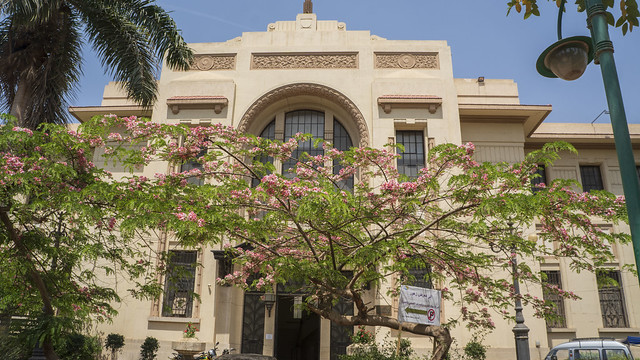
Umm Kulthum Museum is located inside the Nilometer-Manasterly Palace site on Manial Al-Roda Island in Cairo.